You know, there's something truly special about the human voice. It's an instrument we all possess, yet so many of us either shy away from using it or feel like we're just not 'good enough' to sing. I get it. For a long time, I felt that way too. But let me tell you, embarking on the adventure of singing lessons was one of the most rewarding decisions I've ever made. It wasn't just about hitting the right notes; it was about discovering a part of myself I didn't even know was there.
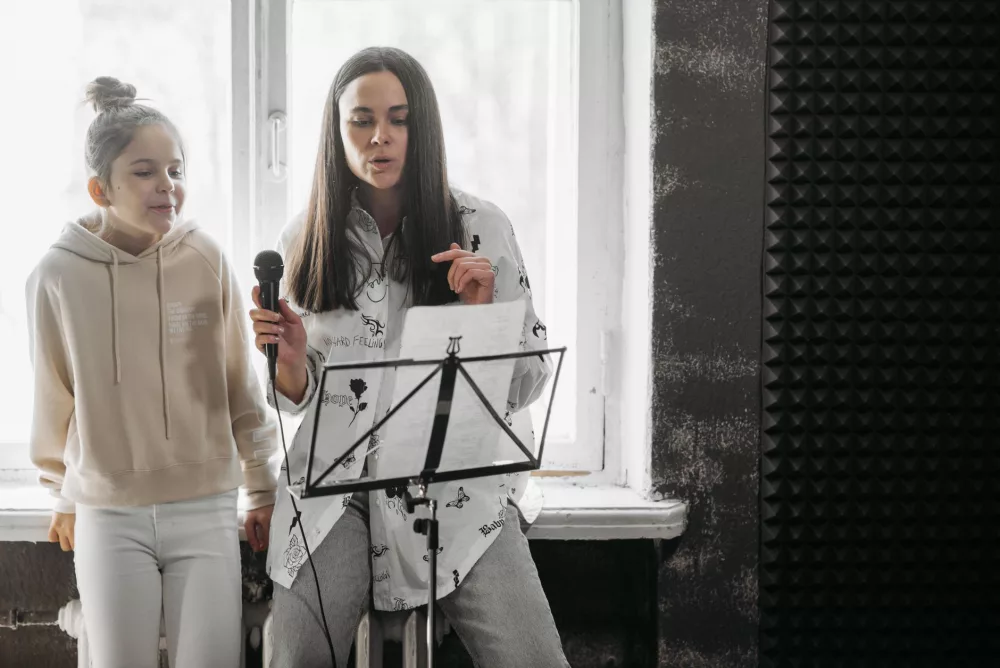
When folks ask me what singing lessons are actually like, they often imagine endless scales and boring exercises. And sure, those are a part of it, but they're so much more. It’s a structured, supportive environment where you learn to understand and control your body, which is, after all, your primary instrument. It's a place where you can make mistakes without judgment and grow at your own pace. My teacher always says, 'Your voice is like a muscle; you wouldn't expect to run a marathon without training, would you?' And that really stuck with me.
What Exactly Do You Learn in Singing Lessons?
It's funny, before I started, I thought singing lessons were just about sounding pretty. Boy, was I wrong! There's a whole science and art to it. Here’s what you can expect to dive into:
1. The Foundation: Posture and Breath Control
- Posture: This is where it all begins. A good singing posture isn't just about standing up straight; it's about alignment that allows your breath to flow freely and your resonators to work efficiently. My teacher had me doing all sorts of stretches and standing exercises that initially felt silly but made a world of difference.
- Breathing: This is arguably the most critical aspect. We're not talking about shallow chest breathing here. We're talking about diaphragmatic breathing – deep, controlled breaths that give you the power and stamina to sustain notes and phrases. Learning to breathe properly for singing actually helped me calm down in stressful situations outside of my lessons too!
2. Hitting the Mark: Pitch and Ear Training
Ever wondered how singers hit those perfect notes? It's not just magic; it's a skill developed through consistent practice. Ear training helps you recognize intervals and melodies, while pitch exercises help you match those sounds with your voice. It’s like learning to distinguish colors before you can paint a masterpiece. Sometimes, it felt frustrating, but the breakthroughs were so satisfying.
3. Protecting Your Instrument: Vocal Health
Your voice is delicate, and learning to use it without strain is essential. A good teacher will guide you on vocal warm-ups and cool-downs, how to avoid pushing your voice, and what to do when you're feeling under the weather. I've learned so much about hydration and avoiding certain foods before singing that I never would've considered on my own.
4. Shaping the Sound: Resonance and Tone
This is where your voice really starts to shine. Resonance is about using the cavities in your head and chest to amplify and enrich your sound. Tone is the quality of your voice – bright, warm, dark, clear. Teachers will guide you through exercises that help you explore different vocal colors and find your unique sound. It’s a really creative part of the process, discovering what your voice is truly capable of.
5. Expressing Yourself: Dynamics and Interpretation
Singing isn't just about hitting the right notes; it's about telling a story. Learning to use dynamics (louds and softs), phrasing, and emotional interpretation brings a song to life. This is where your personality comes into play, making a piece truly your own. My teacher always encouraged me to really feel the lyrics, not just sing them.
Who Are Singing Lessons For? (Hint: Everyone!)
Honestly, I used to think singing lessons were just for aspiring pop stars or opera singers. But I couldn't have been more wrong. They're for anyone who wants to improve their voice, whether you're a complete beginner, a shower singer, a choir member, or even a professional who wants to refine their technique. I've seen people of all ages and backgrounds in my teacher's studio – from teenagers prepping for auditions to retirees finally fulfilling a lifelong dream.
There's this common misconception that you need 'natural talent' to take lessons. While some people might pick things up faster, I firmly believe that with dedication and good instruction, anyone can improve their singing. It's a skill, and like any other skill, it can be learned and honed.
Choosing the Right Teacher: My Advice
This is a big one. The right teacher can make all the difference. When I was looking, I considered a few things:
- Experience and Qualifications: Do they have a background in music education or performance?
- Teaching Style: Do they seem patient and encouraging? Do they tailor lessons to your needs? I found someone who was very supportive, which was key for my confidence.
- Rapport: You're going to be working closely with this person, so make sure you feel comfortable and respected. A trial lesson can be super helpful here.
- Location/Format: Do you prefer in-person or online lessons? Both have their perks! Online lessons offer amazing flexibility, especially if you have a busy schedule.
Beyond the Notes: The Unexpected Benefits
What I didn't anticipate was how much singing lessons would affect other areas of my life. My confidence has soared, not just in singing, but in public speaking and social interactions. My breath control has improved, which has even helped me with stress management. And the sheer joy of creating music, of feeling that connection between my voice and a melody, is truly incomparable. It's a wonderful outlet for creativity and emotional expression.
So, if you've ever thought about taking singing lessons, even just for a fleeting moment, I'd say go for it. You don't have to aspire to be the next big star. You just have to be willing to explore your own voice, to learn, and to grow. It's a journey that's personal, fulfilling, and, frankly, a whole lot of fun. You might just surprise yourself with what you can achieve.