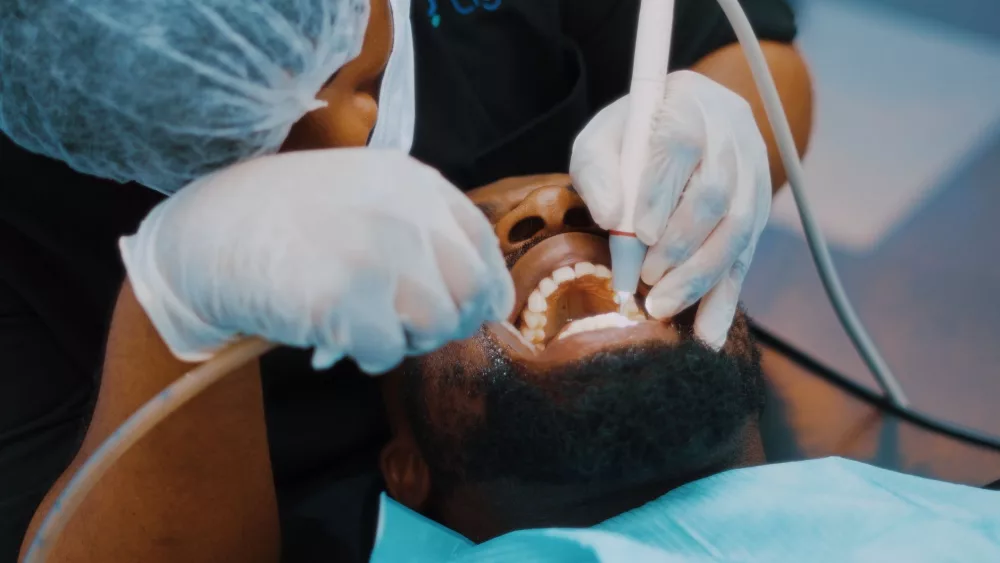
When you hear the term 'dental cleaning,' what first comes to mind? For many, it's a routine, perhaps even a mundane appointment. However, I want to share a deeper understanding of what we in dentistry refer to as dental prophylaxis. It's so much more than just a quick scrub; it's a cornerstone of your oral health, and frankly, a crucial component of your overall well-being. I often tell my patients that thinking of it simply as a 'cleaning' is like calling a meticulously engineered car service just a 'wash.' There's a lot going on beneath the surface that makes all the difference.
You see, our mouths are bustling ecosystems, home to hundreds of species of bacteria. Most are harmless, but some, if left unchecked, can lead to serious problems. This is where prophylaxis steps in. It's a preventative measure, a proactive strike against the development of common dental ailments such as cavities, gingivitis, and periodontitis. It's truly your first line of defense, an investment in comfort and health that pays dividends for years to come.
The Unseen Battle: Plaque, Tartar, and Gum Disease
Let's talk about the silent invaders: plaque and tartar. Every day, a sticky film of bacteria, food particles, and saliva – what we call plaque – forms on your teeth. If you're brushing and flossing diligently, you're doing a great job at removing most of it. But sometimes, plaque can hide in hard-to-reach areas or simply isn't removed effectively. When that happens, it mineralizes, hardening into what we know as tartar or calculus. And once plaque becomes tartar, you simply can't brush or floss it away yourself; it adheres stubbornly to your tooth surfaces and even below the gum line.
This is where the trouble starts. Tartar creates a rough surface that's perfect for more plaque to accumulate, leading to a vicious cycle. The bacteria within this plaque and tartar release toxins that irritate your gums, causing inflammation. Initially, this is gingivitis. You might notice your gums looking redder than usual, perhaps a bit swollen, and they might even bleed when you brush or floss. I've seen countless patients arrive in my office, surprised by gum bleeding, not realizing it's an early warning sign.
Ignoring gingivitis is a gamble. Left untreated, it can progress to periodontitis, a much more severe form of gum disease. Periodontitis involves the breakdown of the bone and tissues that support your teeth. It’s not just uncomfortable; it can lead to tooth mobility, tooth loss, and has even been linked to other serious systemic health issues.
What Happens During Your Prophylaxis Visit?
So, what exactly transpires during a dental prophylaxis that makes it so indispensable? It's a multi-faceted process designed to give your mouth a fresh start. Here’s a general rundown of what you can expect:
- Comprehensive Examination: Before any cleaning begins, I always perform a thorough visual examination of your entire oral cavity. We're looking for early signs of decay, gum disease, any unusual lesions, or even oral cancer. This isn't just about your teeth; it's about the health of your whole mouth.
- Plaque and Tartar Removal (Scaling): This is the core of the prophylaxis. We use specialized instruments, often a combination of ultrasonic devices and hand scalers, to meticulously remove all plaque and tartar from above and below your gum line. The ultrasonic scaler uses high-frequency vibrations to break down calculus, while hand scalers are used for precision and finishing touches. It’s a thorough job, targeting those stubborn deposits.
- Polishing: Once all the plaque and tartar are gone, we use a high-speed rotating brush with a gritty toothpaste-like paste to polish your teeth. This removes any superficial stains from coffee, tea, or other foods, leaving your tooth surfaces smooth. A smooth surface makes it harder for plaque to adhere, at least for a while.
- Flossing: A detailed flossing session ensures that all interdental spaces are completely clean and free of debris. It's also a final check for any missed spots.
- Fluoride Treatment (Optional but Recommended): Often, a fluoride treatment is applied, especially for children or adults prone to cavities. Fluoride helps to strengthen tooth enamel, making it more resistant to acid attacks from bacteria and sugars.
- Oral Hygiene Instructions: This is a crucial part many overlook. I always take the time to review your home care routine, offering personalized tips on brushing techniques, flossing, and any specific areas you might be missing. Education is empowerment when it comes to your oral health.
The Expansive Benefits: More Than Just a Clean Feel
The immediate feeling of a wonderfully clean mouth after a prophylaxis is fantastic, isn't it? But the benefits extend far beyond that momentary freshness. Let's consider some of them:
- Prevention of Cavities: By removing plaque, you're significantly reducing the bacterial acids that cause tooth decay.
- Halts Gum Disease Progression: Regular cleaning stops gingivitis from becoming periodontitis, preserving your gums and the bone supporting your teeth.
- Fresher Breath: Eliminating the bacteria and food debris that cause bad breath (halitosis) can make a huge difference in your confidence and social interactions.
- Early Detection: As I mentioned, these visits allow for early detection of potential problems, not just cavities, but also more serious conditions like oral cancer, cysts, or even signs of systemic diseases manifesting in the mouth. Catching issues early almost always means simpler, less invasive, and less costly treatment.
- Preserves Overall Health: The connection between oral health and systemic health is undeniable. Chronic inflammation in your mouth from gum disease can affect other parts of your body. Good oral hygiene, supported by regular prophylaxis, plays a role in managing conditions like diabetes, heart disease, and even impacts pregnancy outcomes.
- Saves Money: Preventing major issues like extensive decay or advanced gum disease means avoiding costly restorative treatments down the line. An ounce of prevention is truly worth a pound of cure.
How often should you schedule these visits? For most people, a prophylaxis every six months is the standard recommendation. However, for those with certain risk factors like a history of gum disease, compromised immune systems, or particular medical conditions, I might suggest more frequent appointments. It's a highly individualized recommendation based on your unique oral health profile.
You know, some folks wonder if their diligent home care means they can skip these appointments. While brushing twice a day and flossing daily are absolutely essential – and I commend anyone who maintains such a routine – they simply can't remove calcified tartar. Professional tools and techniques are needed for that. It isn't about replacing your home care; it's about complementing it perfectly.
So, the next time you think about your 'dental cleaning,' I hope you'll remember it as what it truly is: dental prophylaxis. It's a vital, comprehensive, and highly effective procedure that serves as the bedrock of a healthy, functional, and beautiful smile for years to come. It's an investment in your health, one that I believe is among the smartest you can make.