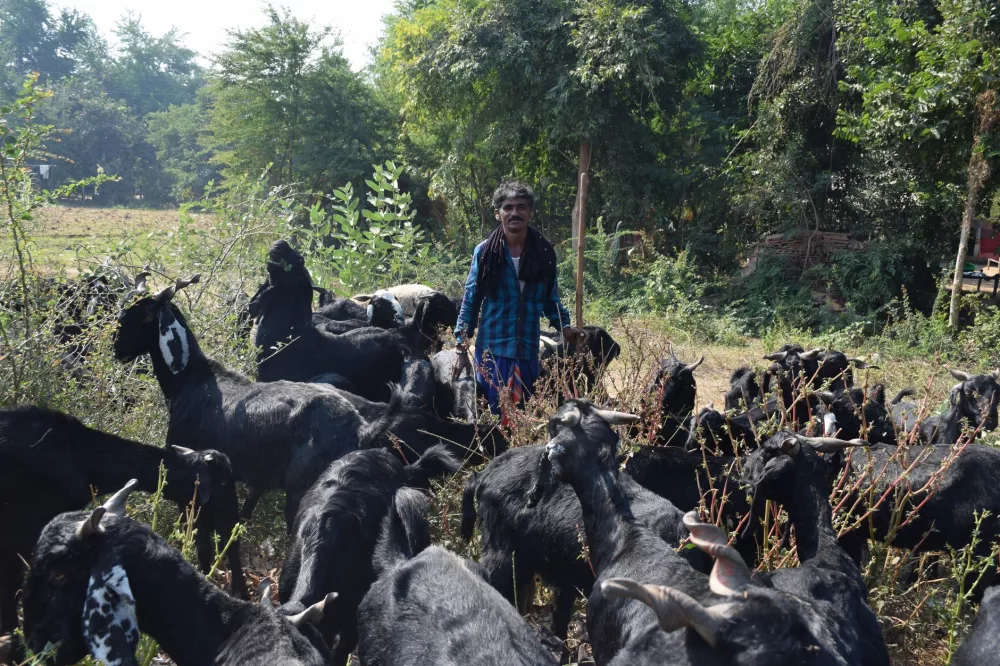
Understanding the Bakri Palan Loan: A Farmer's Best Friend
I've often heard people say that farming is a gamble, and for many, it truly feels that way. But what if there was a way to mitigate some of that risk, especially when it comes to livestock? That's where the concept of a 'Bakri Palan Loan,' or a goat farming loan, really shines. It's more than just a financial product; it's a lifeline for many rural families in India, offering a tangible path toward self-sufficiency and improved livelihoods. We're talking about a significant opportunity here, one that helps farmers purchase goats, build sheds, buy feed, and generally scale up their operations. For me, understanding these loans is about empowering communities, so let's get into the nitty-gritty of how it all works.
Why Goat Farming, You Ask? It's a Smart Move!
Honestly, goat farming is quite popular for a bunch of good reasons. Goats are remarkably resilient animals; they adapt well to diverse climatic conditions, you know? They don't need a massive investment compared to some other livestock, and their feed requirements are relatively low. Plus, their reproductive cycle is pretty quick, which means a faster return on investment for farmers. Both meat and milk from goats are highly sought after, and their manure is a fantastic natural fertilizer. I mean, it's an all-around win! This versatility makes goat farming a particularly attractive option for small and marginal farmers, and that's precisely why these tailored loans exist.
Who Can Get a Bakri Palan Loan? Let's Talk Eligibility
So, you're thinking about diving into goat farming or expanding your existing setup. Great! But, who exactly qualifies for these loans? It's not a free-for-all, naturally. Banks and financial institutions have specific criteria they look at to ensure the loan is viable and, importantly, repayable. From what I've seen, it generally boils down to a few key points:
- Age Matters: Typically, applicants should be between 18 and 65 years old. This is pretty standard for most financial products.
- Farming Background: You'll usually need to be a farmer, an agricultural laborer, or involved in allied agricultural activities. It makes sense, right? They want to lend to people who actually know what they're doing with goats.
- Land Ownership: Sometimes, banks might want to see some proof of land ownership or a lease agreement for the land where you plan to keep your goats. It's about having a stable base for your operation.
- Project Report: This is a big one. You'll need a detailed project report outlining your goat farming plan, including the number of goats, shed construction, feed costs, marketing strategy, and expected income. It's your business plan, essentially. I can't stress enough how crucial a well-prepared project report is; it tells the bank you're serious and you've thought things through.
- Credit History: While not always a deal-breaker for first-time borrowers, a clean credit history certainly helps. If you've had previous loans, showing a good repayment record is a huge plus.
It's always a good idea to check with your specific bank, though. Eligibility can vary slightly from one institution to another, and I've found that a quick chat with a loan officer can clarify a lot.
What Documents Do I Need to Prepare? Get Your Papers in Order!
Alright, you've checked the eligibility boxes. Now comes the paperwork – everyone's favorite, right? But honestly, getting these documents ready beforehand can save you a ton of time and hassle. Based on my understanding and what I've helped others with, here’s a list of what you'll typically need:
- Identity Proof: This could be your Aadhaar Card, PAN Card, Voter ID, or Passport. Just something official that says, 'This is me!'
- Address Proof: Utility bills (electricity, water), Aadhaar Card, or your driving license usually work here. The bank just wants to confirm where you live.
- Land Documents: Proof of land ownership (land records, title deeds) or a valid lease agreement if you're leasing the land for your farm.
- Bank Statements: Recent bank statements, usually for the last six months, to show your financial activity.
- Passport-sized Photographs: A few of these are pretty standard for any application.
- Project Report: As I mentioned earlier, your detailed goat farming project report. This isn't just a formality; it's a critical component.
- Caste Certificate (if applicable): If you belong to an SC/ST/OBC category and wish to avail of any government subsidies or special schemes, this is essential.
- Any Other Documents: Sometimes, banks might ask for additional documents like income proof or affidavits. It's best to be prepared for minor variations.
I always tell people to make photocopies and keep the originals safe. It's just good practice.
Navigating the Application Process: Step-by-Step
Applying for a Bakri Palan Loan might seem daunting, but I promise you, it's quite manageable if you break it down. Here's how it generally goes, from my perspective:
- Research Banks: First things first, don't just walk into the nearest bank. I'd suggest you research different banks and financial institutions that offer agricultural loans, specifically Bakri Palan schemes. Compare their interest rates, repayment periods, and any associated subsidies. NABARD (National Bank for Agriculture and Rural Development) often has schemes that banks can then implement, so checking their guidelines can be helpful.
- Gather Documents & Prepare Project Report: Once you've chosen a bank, collect all the necessary documents we just talked about. Spend significant time on your project report; it really is your selling point. It should be realistic and well-researched.
- Visit the Bank: Head to your chosen bank branch. Speak with an agricultural loan officer. They're the experts, and they can provide specific details about their current schemes and application forms. Don't be shy about asking questions!
- Fill Out the Application Form: Carefully fill in the loan application form. Make sure all information matches your documents. Any discrepancies can cause delays.
- Submit Documents: Attach all your required documents, including the project report, to the application form and submit them.
- Bank Verification: The bank will then verify your documents and might conduct a physical inspection of your proposed or existing farm. They want to make sure your plan is feasible. This step is crucial, and it's where your detailed project report really comes into play.
- Loan Sanction & Disbursement: If everything checks out, the bank will sanction your loan. The funds are usually disbursed in installments, especially if your project involves phased development like shed construction and then goat purchase.
From my experience, staying in touch with the loan officer during the verification phase can be quite beneficial. It shows your proactive engagement.
Key Features of Bakri Palan Loans: What You Can Expect
When we're talking about financial products, the 'features' are super important. What can you actually expect from a Bakri Palan Loan? Let's break down some common aspects:
- Loan Amount: The amount you can borrow largely depends on the scale of your project as detailed in your project report. It could range from a few tens of thousands to several lakhs, depending on whether you're starting small or going for a large-scale commercial operation.
- Interest Rates: Interest rates are usually competitive, often subsidized under government schemes. They can vary between banks, but they're generally designed to be affordable for farmers.
- Repayment Tenure: Repayment periods are typically flexible, ranging from 3 to 7 years, sometimes even longer, with suitable grace periods. This flexibility is vital, as it allows farmers to start generating income before the repayments kick in fully.
- Collateral: For smaller loan amounts, collateral might not be required, especially if the loan is covered under a government guarantee scheme. For larger amounts, some collateral, like land or other assets, might be necessary. It really depends on the bank's policy and the loan size.
- Subsidies: This is a big one! Many Bakri Palan Loans are linked to government subsidy schemes (like those from NABARD) that can significantly reduce the overall cost of the loan. Always inquire about available subsidies. It can make a huge difference to your bottom line.
Tips for a Successful Application: My Two Cents
Having seen many applications, I've picked up a few things that really boost your chances:
- Detailed Project Report: I can't say it enough. A well-researched, realistic, and detailed project report is your best asset. Include everything from breed selection to marketing strategies.
- Financial Literacy: Understand the basics of finance. Know your costs, your expected income, and how interest works. It demonstrates responsibility.
- Good Communication: Maintain open and honest communication with your bank. If you have questions, ask them. If there's an issue, bring it up.
- Patience: The process can take some time. Don't get discouraged if there are delays. Follow up politely but persistently.
- Post-Loan Planning: Even after you get the loan, have a clear plan for how you'll manage your farm, ensure the health of your goats, and market your products. The loan is just the beginning!
Potential Challenges and How to Handle Them
Every venture has its hurdles, and Bakri Palan is no different. You might face challenges like disease outbreaks in your flock, unexpected market fluctuations, or even difficulties in getting your loan approved. My advice? Have contingency plans. Invest in good veterinary care, stay informed about market prices, and maintain excellent records for your bank. We all know things don't always go according to plan, but being prepared helps a lot.
The Future of Goat Farming in India: A Bright Outlook
Honestly, I'm quite optimistic about the future of goat farming in India. With increasing demand for meat and dairy products, and a growing emphasis on sustainable agricultural practices, I believe goat farming will continue to thrive. Bakri Palan Loans play an indispensable role in this growth, enabling aspiring and existing farmers to capitalize on these opportunities. It’s an integral part of our rural economic development, supporting countless families. I really see it as an investment in our collective future, don't you?